

If you stop and really think about it, motors are everywhere. From the quiet hum inside your refrigerator to the rhythmic swoosh of your ceiling fan, they’re the hidden muscle of modern living. Yet, most of us rarely pause to consider what’s spinning away behind the plastic, metal, and polished finishes. Over the past decade, though, something fascinating has been happening. Engineers aren’t just designing motors to “work”; they’re designing them to be smarter, sleeker, and endlessly more efficient.
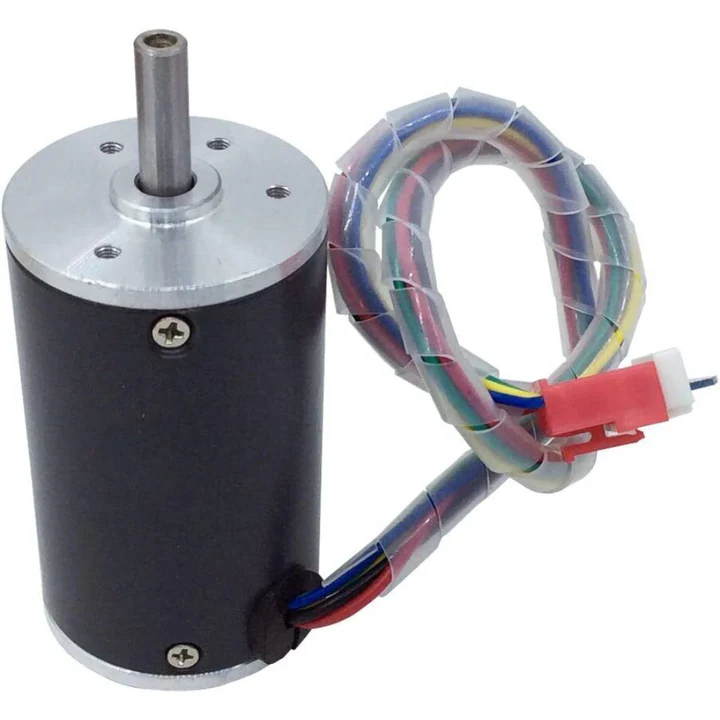
One area where this shift is particularly striking is cooling systems. Think about summers in India, or Texas, or anywhere the heat bears down relentlessly. The fan or cooler isn’t just a comfort—it’s survival. The motors powering those systems used to be simple, noisy, and not exactly economical. Today, we’re seeing a quiet revolution, thanks to innovations like the bldc cooler motor, which doesn’t just move air but does it with remarkable efficiency and less energy waste.
Why Efficiency Suddenly Matters So Much
For decades, people tolerated clunky motors because, well, that’s all we had. Energy was relatively cheap, appliances weren’t loaded with smart sensors, and durability often meant brute force. But times have changed. Electricity bills bite harder. Climate consciousness is no longer an academic debate but a dinner-table concern. And let’s not forget—today’s consumers expect silent operation, compact designs, and eco-friendly features, even from something as basic as a cooler.
Brushless DC technology has become the hero in this narrative. Instead of relying on mechanical brushes that wear out and spark, BLDC motors use electronic commutation. What does that mean in everyday terms? They last longer, run smoother, and use less power for the same output. It’s like trading in your old, gas-guzzling sedan for a hybrid car—you still get where you’re going, but with less noise and less guilt.
The Overlooked Beauty of Precision
Step outside the cooling industry for a second and you’ll notice another pattern: industries everywhere are demanding finer precision. Robotics, automation, even advanced medical tools—none of these can afford the hiccups of yesterday’s motors. That’s where the humble geared dc motor makes its case. Unlike the lightweight, high-speed spinners in a toy drone, geared motors are about control. They take raw speed and tame it, offering torque at the exact levels needed.
You can see their fingerprints in robotics arms used on assembly lines, or in electric locks that need reliability without bulk. They’re not glamorous, but they’re workhorses. And in the age of AI-driven machines, having control over every micro-movement isn’t a luxury; it’s a necessity.
Where Cooling Meets Innovation
Let’s circle back to cooling, because it’s one of the most relatable ways to understand how far motors have come. A decade ago, air coolers had two major complaints: noise and inefficiency. The rattle was constant, and the electricity bill could give you a headache worse than the heat itself.
With brushless designs, companies are reshaping that experience. BLDC motors not only cut down on noise but also allow for features like variable speed settings controlled by smart remotes or even mobile apps. It’s not science fiction—it’s sitting in living rooms right now.
There’s also the question of durability. Anyone who’s had a cooler fan fail during peak summer knows the frustration. Traditional brushed motors often wore down due to constant friction. With brushless designs, lifespan stretches out significantly. That’s less repair, less hassle, and frankly, less junk ending up in landfills.
The Real-World Ripple Effect
What’s fascinating is how these advancements ripple across industries. It’s never just about one product. When motors become smaller, lighter, and more efficient, designers can push boundaries in unexpected ways. A lighter cooling unit means easier portability. A quieter motor means you can use that same design in places like offices, hospitals, or schools where silence matters.
Think also about sustainability. Governments worldwide are cracking down on energy-guzzling appliances. Efficient motors allow manufacturers to meet stringent standards without inflating costs too much. Consumers benefit, regulators benefit, and—if we’re being honest—the planet gets a tiny breather too.
A Tale of Two Needs
What’s intriguing about comparing BLDC cooler motors and geared DC motors is that they serve completely different needs, yet both embody the same philosophy: efficiency and control. One is about moving air in your home in a smarter way. The other is about guiding complex machinery with surgical precision. Both, however, highlight how far we’ve come from the noisy, clunky machines of the 20th century.
Looking Ahead
So, where does this all go? Some trends are already obvious. The demand for smart homes will push BLDC technology even further, integrating it with IoT platforms where your motor talks to your phone and adjusts speed depending on the weather. At the same time, automation in industries will keep geared motors in the spotlight, fine-tuning their design for robots, electric vehicles, and even medical instruments.
But there’s a larger narrative here too: as motors get smarter, our expectations change. What was once “good enough” no longer cuts it. People expect appliances to be silent, efficient, and environmentally responsible. Businesses expect machinery to be reliable, precise, and scalable. Motors are no longer invisible—they’re part of the promise companies make to their customers.
Final Thoughts
It’s funny how the things we notice least often have some of the biggest impacts on our lives. Motors might not grab headlines like smartphones or electric cars, but they’re the heartbeat of both. Whether it’s the cool breeze of a summer evening powered by a BLDC motor, or the precise whirr of a geared motor inside a robotic assembly line, these little engineering marvels are shaping the world more quietly than we realize.
So the next time your cooler hums to life or you see a robot arm soldering with impossible precision, maybe pause for a second. Behind that motion is decades of evolution, a blend of human ingenuity and demand for better living. And odds are, it’s a smarter motor making it all happen.