
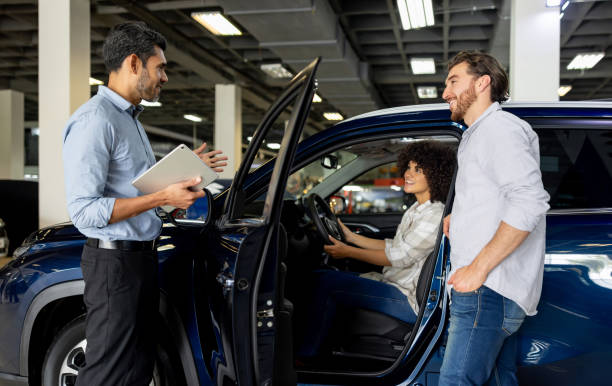

Purchasing a used automobile may be a wise financial move, particularly if you want to cut costs without sacrificing functionality. But unlike new automobiles, secondhand cars have a past, sometimes a good one, sometimes a bad one. Therefore, before completing a purchase, it is essential to conduct a comprehensive examination and confirm all supporting papers. You may avoid future difficulties, expensive repairs, or legal issues by exercising a little prudence. These are the most crucial factors to consider when purchasing a used automobile to make sure your investment is secure and profitable.
Records of Vehicle History and Ownership
Verifying a used car’s ownership history is the first step in the purchasing process. Verify the number of times the car has been owned. In general, a vehicle with just one owner is better as it’s simpler to evaluate its driving habits and maintenance history. To get information from the Parivahan site or from services like CarInfo and AutoCheck, enter the vehicle’s registration number. Additionally, this will verify if the car is stolen or on a blacklist.
Records of Service and Maintenance
Request a comprehensive history of the vehicle’s repairs and upkeep from the seller. Authorized service facilities’ receipts or service records are indicative of a well-maintained car. Keep an eye out for routine tire replacements, battery inspections, brake checks, and oil changes. Unreliable maintenance might indicate undiscovered problems that could end up costing you money.
History of Accidents and Insurance Claims
Check to see whether the vehicle has been in any serious collisions. While minor scratches are acceptable, performance and safety may be impacted by structural damage or frame repairs. Using the vehicle’s registration information, you may look up the insurance claims history. Vehicles having a history of significant repairs or recurrent insurance claims should be avoided.
Mileage consistency and odometer readings
The odometer of a vehicle indicates how many miles it has been traveled. To identify any tampering, compare the mileage to the age of the vehicle. A automobile that is five years old, for instance, ought to have driven 50,000–70,000 km on average. If there is no supporting service history and the reading seems unusually low, proceed with caution. Examine the model’s fuel economy as well; some secondhand vehicles have wear and tear that causes them to get less mileage than anticipated.
Engine Performance and Condition
Examine the engine under the hood for leaks, corrosion, and excessive dirt buildup. There should be no odd sounds or vibrations when the engine starts and runs smoothly. During a test drive, look for signs of heavy smoke, slow acceleration, or an overheated engine. These are indicators of more serious mechanical problems that may be costly to resolve.
Inspection, both inside and out
Examine the vehicle for indications of body repair, corrosion, dents, and mismatched paint. These might be signs of previous damage or inadequate maintenance. Examine the tires’ condition for uniform wear. Examine the air conditioning system, dashboard, headliner, and seat fabric inside the vehicle. Everything should be functional, and there shouldn’t be any indications of extreme age or neglect inside.
Steering response, suspension, and brakes
A test drive may tell you a lot about the condition of a secondhand automobile. Keep an eye on the car’s braking system; it shouldn’t screech or pull to one side. The steering should feel responsive with little play or vibration, and the suspension should gently absorb bumps. Any unusual stiffness or noise might indicate the need for costly mechanical repairs.
Clutch and Transmission Function
When shifting gears in a manual automobile, the clutch should be smooth and effortless. Gear changes in automated vehicles should be smooth. Transmission wear may be the cause of jerks, delays, or reluctance while shifting gears. Examine this factor carefully since transmission repairs might be expensive.
Information and Entertainment and Electrical Systems
Verify that the infotainment system, power windows, wipers, lights, indicators, and central locking are all operating as intended. Older automobiles sometimes have electrical problems, which may become annoying over time. Before committing, test each button, switch, and feature.
Loan Clearance, Insurance, and RC Book
To be sure the vendor is the legitimate owner, always check the Registration Certificate (RC). The RC must match the engine and chassis numbers. Verify that the vehicle is insured, and if necessary, get a No Claim Bonus (NCB) certificate. Additionally, make sure the vehicle is free of hypothecation or outstanding debts. Start the RC transfer and insurance update as soon as the transaction is completed.
Road Tax and Pollution Certificate
The vehicle must be in possession of a current Pollution Under Control (PUC) certificate. Verify if the lifetime road tax has been paid, particularly for vehicles that are more than 15 years old, since certain states may need re-registration. These records are necessary to prevent future legal issues.
Concluding remarks
Purchasing a used automobile may be quite cost-effective, but only if you do your research. By carefully reviewing the vehicle’s history, physical condition, and documentation, you may steer clear of unpleasant surprises and leave with assurance. Never be afraid to employ authorized old vehicle platforms or a reliable technician if necessary. A used automobile may save you money up front and provide dependable service for years if you do your research.